

Chinese Craftsmanship Heritage.
China has a rich cultural heritage of traditional crafts, many of which have been passed down through generations for thousands of years. These crafts represent the wisdom and creativity of the Chinese people, embodying unique cultural values, aesthetic concepts, and technical skills. Unfortunately, many of these traditional crafts are at risk of disappearing as modern industrialization makes mass-produced goods cheaper and more widely available.
At Siyunjo, we are committed to preserving and promoting these important cultural traditions. We work directly with master artisans across China, providing them with fair compensation and helping them reach global markets, ensuring that these crafts continue to thrive and are passed on to future generations.
Learn about China’s intangible cultural heritage crafts, their history, techniques, and the master artisans who keep these traditions alive today.
SIYUNJO INTERNATIONAL
Featured Intangible Cultural Heritage Crafts:
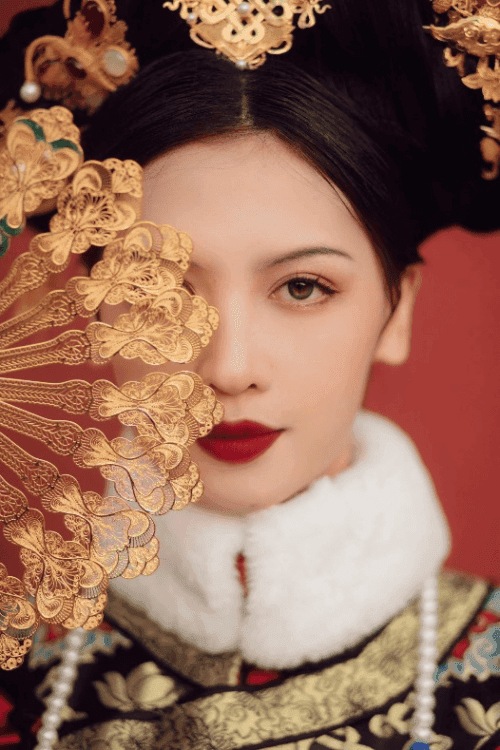
1. Filigree Inlay (花丝镶嵌)
· History: One of China’s eight traditional imperial crafts, with a history of over 2000 years. Used exclusively for imperial jewelry and decorative items during the Ming and Qing dynasties.
· Technique: Involves pulling precious metal into extremely fine wires, which are then twisted, woven, soldered, and inlaid with gemstones to create intricate designs.
· Current Status: Recognized as a National Intangible Cultural Heritage in 2008. There are fewer than 50 master artisans practicing this craft at the highest level today.
· Our Support: We operate a family workshop in Tangshan, training young artisans in filigree inlay techniques and providing a market for their work.
2. Longquan Sword Forging (龙泉宝剑锻制技艺)
· History: Dating back over 2500 years to the Spring and Autumn period, Longquan has been the center of Chinese sword making for millennia. Longquan swords were prized by ancient warriors for their exceptional sharpness and strength.
· Technique: Involves folding and forging high carbon steel multiple times, differential heat treatment, and hand polishing to create blades with exceptional strength, flexibility, and sharpness.
· Current Status: Recognized as a National Intangible Cultural Heritage in 2006. There are approximately 100 master swordsmiths practicing traditional forging techniques in Longquan today.
· Our Support: We partner with 3 family-run sword workshops in Longquan, supporting their work and helping to promote Longquan sword culture worldwide.
3. Jingdezhen Porcelain Making (景德镇制瓷技艺)
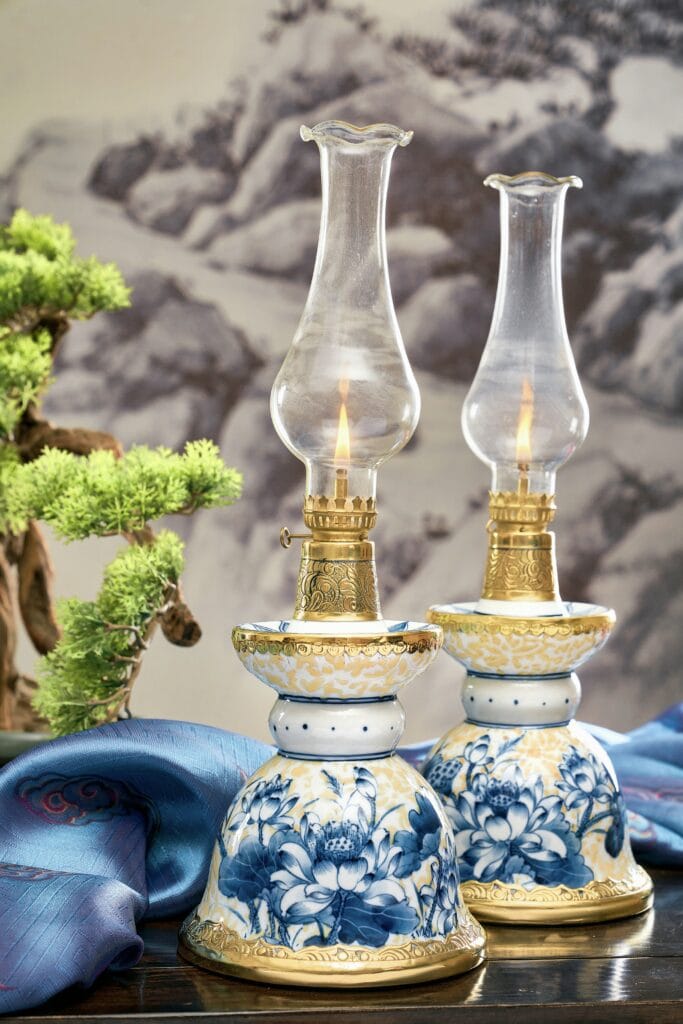
· History: With over 1700 years of porcelain making history, Jingdezhen is known as the “Porcelain Capital” of the world. Jingdezhen porcelain was highly prized and traded along the Silk Road as early as the Tang Dynasty.
· Technique: Involves multiple complex steps including clay preparation, throwing, trimming, decorating, glazing, and firing at high temperatures in specialized kilns.
· Current Status: Recognized as a National Intangible Cultural Heritage in 2006. While there are many ceramic factories in Jingdezhen today, fewer than 1000 artisans practice traditional hand-making techniques at a master level.
· Our Support: We work with a community of independent ceramic artists in Jingdezhen, providing them with access to global markets and supporting ceramic art education programs.
4. Suzhou Embroidery (苏绣)
· History: With a history of over 2000 years, Suzhou embroidery is one of China’s four famous embroidery styles, known for its exquisite detail and vibrant colors.
· Technique: Uses silk thread to create extremely detailed embroidery, with some pieces requiring millions of stitches and taking months or even years to complete.
· Current Status: Recognized as a National Intangible Cultural Heritage in 2006. There are approximately 300 master embroiderers practicing traditional Suzhou embroidery techniques today.
· Our Support: We partner with a women’s embroidery cooperative in Suzhou, providing fair wages and training for young women interested in learning this craft.
Our Artisan Support Program:
Siyunjo is committed to supporting traditional artisans and preserving these important cultural heritage crafts through our Artisan Support Program:
1. Fair Compensation: We pay our artisans 2-3 times the local market rate for their work, ensuring they can make a decent living practicing their craft.
2. Skills Training: We support training programs for young people to learn traditional crafts, ensuring these skills are passed on to the next generation
3. Market Access: We help artisans reach global markets through our platform, allowing them to focus on their craft while we handle marketing, sales, and logistics.
4. Cultural Promotion: We promote Chinese craft culture worldwide through exhibitions, workshops, and educational programs, increasing global appreciation for these unique art forms.
5. Quality Assurance: We work closely with artisans to maintain traditional quality standards while helping them adapt their designs to suit modern tastes and international market demand.
By purchasing our cultural heritage products, you are not only acquiring a beautiful, unique work of art, but also supporting the preservation of these important cultural traditions for future generations.
If you are interested in learning more about Chinese traditional crafts, supporting our artisan programs, or collaborating with us on cultural heritage preservation projects, please contact our team. We welcome partnerships with cultural institutions, museums, educational organizations, and other stakeholders who share our commitment to preserving cultural heritage.