

Tea Culture.
Chinese Tea Culture Guide – Tea History, Brewing & Health Benefits | SIYUNJO INTERNATIONAL
Page Content
Chinese Tea Culture is a gateway to understanding China’s rich tea heritage that spans over 5,000 years. This page serves as an educational resource for international buyers, helping them appreciate the depth and diversity of Chinese tea traditions while making informed sourcing decisions. By understanding the cultural context and quality indicators of Chinese tea, our clients can better serve their customers and build brand authority in their local markets.
Explore Chinese tea culture through Siyunjo International’s comprehensive guide. Learn about tea history, six tea categories, proper brewing techniques, traditional tea ceremonies, and scientifically-proven health benefits of Chinese tea.
Content Sections:
1. Guide to Chinese Tea Categories:
· Comprehensive overview of six tea types — green (unfermented), black (fully fermented), oolong (semi-fermented), white (minimally processed), yellow (lightly fermented), and dark tea/pu-erh (post-fermented).
· Each category includes distinctive characteristics, major producing regions, optimal brewing parameters (water temperature, steeping time, tea-to-water ratio), and flavor profile descriptions.
2. Tea and Health:
· Evidence-based analysis of tea’s health benefits, referencing peer-reviewed international research publications.
· Topics include: catechins and antioxidant properties, L-theanine and mental clarity, caffeine content comparison across tea types, cardiovascular health benefits supported by clinical studies, digestive health and gut microbiome effects, and traditional Chinese medicine perspectives on tea’s medicinal properties.
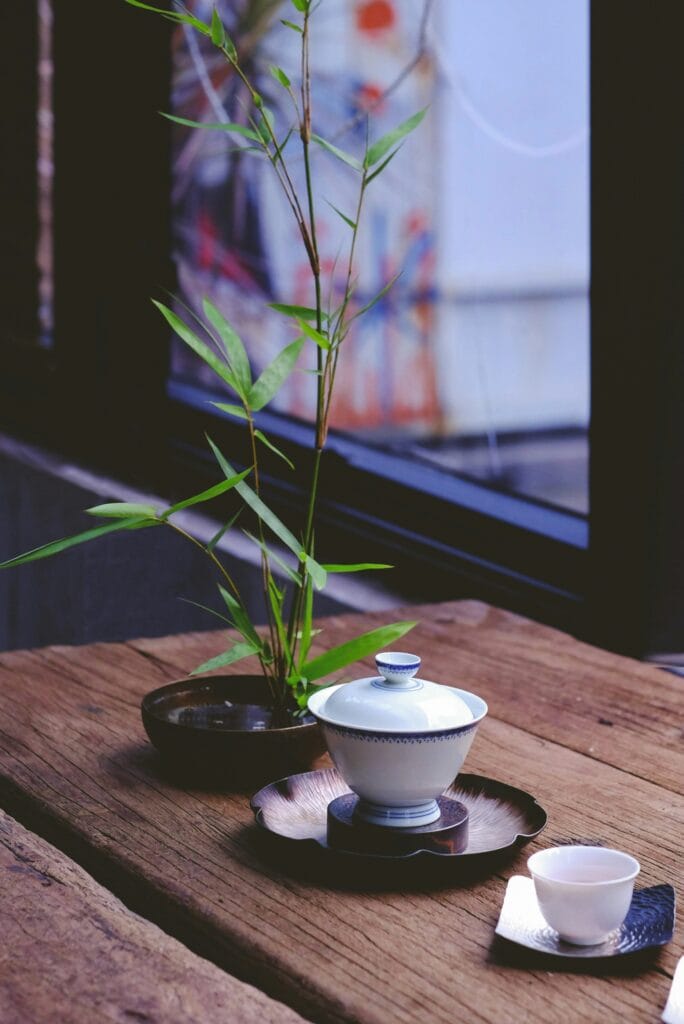
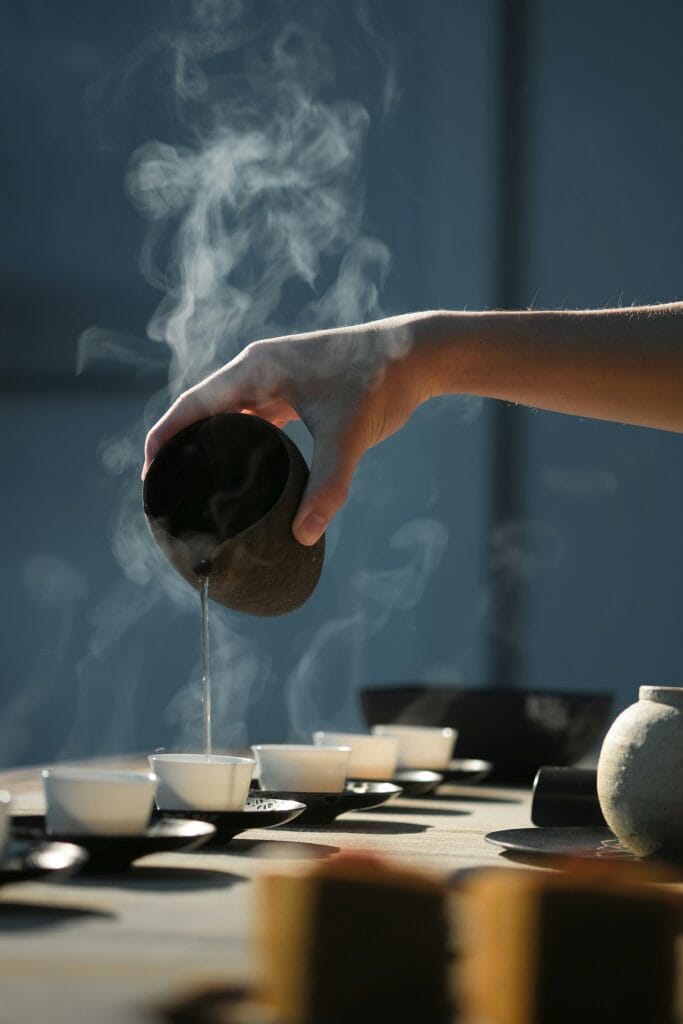
3. Tea Ceremony and Etiquette:
· Introduction to Chinese Gongfu tea ceremony (Chaozhou style), covering the complete 18-step ceremony protocol.
· Business tea etiquette including proper seating arrangements, how to receive and serve tea in professional settings, and cultural taboos to avoid.
· Comparison of Chinese, Japanese, and Western tea ceremonies.
4. Origin Stories:
· In-depth profiles of China’s most famous tea regions — West Lake Longjing (Zhejiang), Wuyi Rock Tea (Fujian), Anxi Tieguanyin (Fujian), Yunnan Pu-erh (Yunnan), and Huangshan Maofeng (Anhui).
· Each profile covers geographical terroir, historical significance dating back to Tang/Song/Ming dynasties, distinctive characteristics, and annual production volumes.
5. Buyer’s Guide:
Practical guidance for international buyers on evaluating tea quality (visual inspection, aroma assessment, liquor color, taste evaluation, infused leaf examination), understanding Chinese tea grading systems (from premium to standard grades), identifying reliable suppliers (factory audit checklist, certification verification), navigating import regulations (US FDA FSMA, EU food safety, organic certification recognition), and seasonal purchasing calendar for optimal freshness.
Keywords
· Chinese tea wholesale
· Chinese tea culture
· tea buying guide
· premium Chinese tea supplier
· tea ceremony set
· how to brew Chinese tea
· health benefits of green tea
· Chinese tea types explained
· Gongfu tea ceremony
· Chinese tea history
Content Update Frequency
· This page is updated quarterly with new articles, seasonal tea recommendations, and industry insights.
· Subscribe to our newsletter for the latest tea industry trends and sourcing tips.

Follow our tea culture insights for the latest trends and knowledge. For sourcing inquiries or to request our complete tea product catalog, contact claire@siyunjo.com.